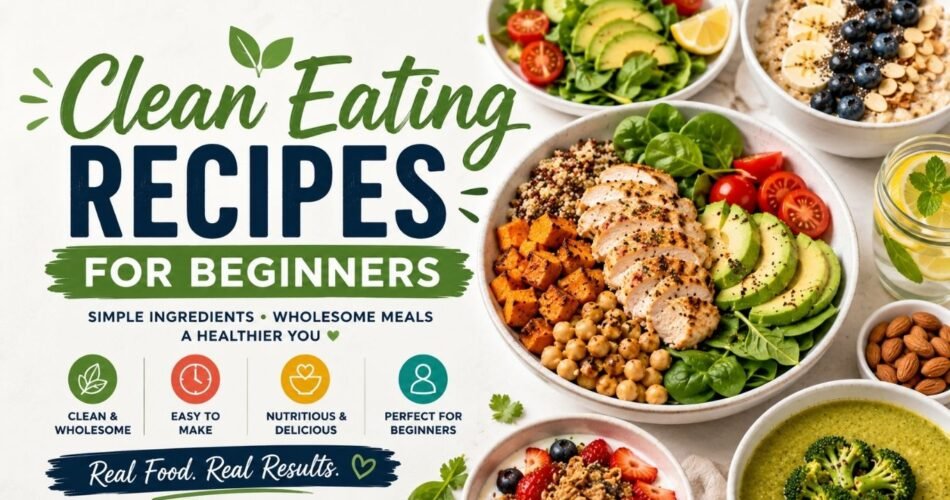
If you’ve ever felt confused scrolling through Instagram seeing “clean eating” posts filled with fancy superfood powders, spiralized everything, and ingredients you can’t pronounce, let me stop you right there. Clean eating isn’t about perfection or expensive specialty items. It’s actually the opposite—it’s about getting back to basics with real, recognizable food that nourishes your body without needing a chemistry degree to understand the ingredient list.
I remember when I first started trying to eat healthier. I’d buy organic kale (that would wilt in my fridge), expensive almond butter, and quinoa I had no idea how to cook. I’d make sad, bland chicken breast with steamed broccoli and wonder why everyone said healthy eating was so amazing. Spoiler: I was doing it wrong.
Clean eating doesn’t mean boring, restrictive, or expensive. It means choosing whole foods over heavily processed ones most of the time, and learning simple ways to make them actually taste good. Let’s break this down in a way that actually makes sense.
What Clean Eating Actually Means (Without the Diet Culture Nonsense)
Here’s the simplest way I can explain it: clean eating is choosing foods that are as close to their natural state as possible. Think an apple instead of apple-flavored cereal. Oats you cook instead of a granola bar with 15 ingredients. Chicken you season and bake instead of pre-made nuggets.
It’s not about never eating anything processed. It’s about making processed foods the exception rather than the rule. Your morning coffee with cream? Fine. That family pizza night? Still fine. The goal is to fill most of your plate with foods that actually fuel you—vegetables, fruits, whole grains, lean proteins, and healthy fats.
The basic principles:
- Choose whole foods when you can
- Read ingredient lists (fewer ingredients usually means cleaner)
- Cook at home more often than ordering out
- Eat plenty of vegetables and fruits
- Include protein and healthy fats to stay satisfied
- Don’t villainize entire food groups unless you have a medical reason
Notice I didn’t say cut out sugar completely, never eat carbs, or spend your entire paycheck at Whole Foods. Clean eating should make you feel better, not stressed and broke.
Starting Without Overwhelm: Your First Week Strategy
The biggest mistake beginners make is trying to overhaul everything at once. You toss all your pantry staples, buy a dozen new ingredients, and try to meal prep like a pro by Sunday evening. By Wednesday, you’re eating takeout again because it’s too much.
Instead, start small. Pick one meal to focus on first—breakfast is usually easiest. Master a few clean breakfast options you actually like. Once that feels normal (give it a week or two), move to lunch. Then dinner. Then snacks.
Keep using the seasonings, oils, and pantry items you already have while you learn. You can upgrade to better-quality versions later if you want, but don’t let perfect be the enemy of good enough.
Easy Clean Eating Recipes That Actually Taste Good
Morning Power Bowl (The Un-Boring Breakfast)
Forget sad overnight oats that taste like wet cardboard. This breakfast bowl has texture, flavor, and keeps you full until lunch without any protein powder needed.
Start with half a cup of cooked oatmeal—use old-fashioned rolled oats, not the instant packets. While it’s cooking in water or milk (whatever you prefer), add a pinch of cinnamon and a tiny pinch of salt. This is the secret: salt makes everything taste better, even oatmeal.
Once it’s done, top it with real food: a tablespoon of almond butter or peanut butter, a handful of berries (fresh or frozen, doesn’t matter), some banana slices, and a sprinkle of hemp seeds or chopped walnuts if you have them. Drizzle a tiny bit of maple syrup or honey if you need it.
Why this works: whole grain, natural protein and healthy fats from the nut butter, fiber from fruit, and it tastes like something you’d actually want to eat. Prep time? About 7 minutes.
Swap options: Don’t like oatmeal? Use cooked quinoa. Allergic to nuts? Use sunflower seed butter. Hate berries? Use diced apple with cinnamon.
The Sheet Pan Situation (Dinner That Cooks Itself)
This isn’t really a recipe with exact measurements because once you understand the concept, you can make a hundred variations. You need: a protein, vegetables, fat, and seasoning. That’s it.
Grab a sheet pan. Add chicken thighs (bone-in, skin-on—they’re cheaper and more flavorful than breasts), or salmon fillets, or even chickpeas if you’re plant-based. Surround your protein with chopped vegetables: sweet potato chunks, broccoli florets, sliced bell peppers, halved Brussels sprouts—whatever you like or have on hand.
Drizzle everything with olive oil. Season with salt, pepper, garlic powder, and maybe some paprika or Italian seasoning. Toss it with your hands so everything gets coated.
Roast at 425°F for about 25-35 minutes depending on your protein. The vegetables get caramelized and sweet, the protein gets juicy, and you’ve made dinner with one pan and about 5 minutes of actual work.
Serve this with some quinoa, brown rice, or even just good sourdough bread, and you’ve got a complete meal. Make extra—leftovers are your friend.
Time-saving tip: Chop all your vegetables on Sunday and store them in containers. During the week, you just toss them on the pan and go.
Green Smoothie That Doesn’t Taste Like Grass
I avoided green smoothies for years because every one I tried tasted like I was drinking a lawn. Then I learned the ratio that actually works.
In your blender: 1 cup of liquid (water, regular milk, almond milk, whatever), 1 frozen banana (this is crucial—it makes it creamy and sweet), a giant handful of spinach (I promise you won’t taste it), half a cup of frozen mango or pineapple, and a tablespoon of nut butter or a few tablespoons of Greek yogurt for staying power.
Blend until smooth. The fruit completely covers the spinach taste, the banana makes it creamy, and the protein keeps you full. This is a legitimate meal, not just a drink.
The beginner mistake: Adding too many vegetables and not enough fruit at first. Start with more fruit, then gradually increase greens as you get used to it. You’re building a habit, not winning a health contest.
The Grain Bowl Formula (Lunch Meal Prep Gold)
Understanding grain bowls changed my life because they use leftovers and random fridge vegetables, so nothing goes to waste. Plus, you can make several at once for grab-and-go lunches.
The formula: grain + protein + vegetables + healthy fat + flavor
Example 1: Brown rice + rotisserie chicken + roasted sweet potato and broccoli + avocado + tahini drizzle with lemon juice
Example 2: Quinoa + black beans + sautéed peppers and onions + salsa + lime and cilantro
Example 3: Farro + grilled salmon + cucumber and tomato + olive oil + balsamic vinegar and fresh basil
See how this works? Same concept, totally different flavors. Make 4-5 of these on Sunday, store them in glass containers, and you have lunch handled.
For those trying to stick to a budget while eating clean, this approach uses affordable staples and whatever vegetables are on sale. Speaking of budget-friendly approaches, check out these budget-friendly healthy meals for families that use similar principles without breaking the bank.
Simple Protein-Packed Egg Muffins
If you need breakfast you can grab on your way out the door, these are ridiculously easy and use whatever vegetables need to be used up.
Whisk together 8-10 eggs with a splash of milk, salt, and pepper. Chop up vegetables—bell peppers, spinach, tomatoes, mushrooms, zucchini, whatever you have. You can also add some cooked turkey sausage or bacon if you eat meat.
Divide the veggies among a greased muffin tin (or use liners), then pour the egg mixture over them until each cup is about 3/4 full. Bake at 350°F for about 20 minutes until set.
These keep in the fridge for 5 days or freeze for up to 2 months. Grab two, reheat for 30 seconds, and you have a protein-rich breakfast that took zero morning effort. If you’re looking for more quick protein options, these high-protein meals ready in 30 minutes follow the same make-it-easy philosophy.
Ingredient Swaps That Make Everything Cleaner
You don’t need to replace everything at once, but knowing these swaps helps when you’re ready:
Instead of sugary yogurt: Buy plain Greek yogurt and add your own fruit and a drizzle of honey. You control the sugar and get way more protein.
Instead of store-bought salad dressing: Mix olive oil, balsamic vinegar, Dijon mustard, and a little maple syrup. Shake it in a jar. Done. No weird additives, tastes better, costs less.
Instead of flavored instant oatmeal packets: Buy plain oats and add cinnamon, fruit, and a little sweetener yourself. You avoid all the added sugar and artificial flavors.
Instead of pre-seasoned rice packets: Cook plain rice and add your own seasonings. Those packets have so much sodium and usually MSG or other additives you don’t need.
Instead of store-bought granola: Make your own by baking oats with a little maple syrup, coconut oil, cinnamon, and nuts. Most store versions are basically cookies disguised as health food.
Common Mistakes and How to Actually Fix Them
Mistake #1: Making everything bland because “healthy food is plain”
No. Food needs salt, fat, and acid to taste good. Use real butter or olive oil. Season generously with salt, pepper, garlic, herbs, and spices. Add lemon juice or vinegar to brighten flavors. Clean eating doesn’t mean punishment eating.
Mistake #2: Over-restricting and then binging
If you tell yourself you can never have bread, pasta, or dessert again, you’ll obsess over them and eventually eat way more than if you’d just included moderate portions regularly. Clean eating works when it’s sustainable, not when it’s a temporary diet you white-knuckle through.
Mistake #3: Not planning at all
You don’t need an elaborate meal prep system, but you do need some basics on hand. Keep your pantry stocked with rice, quinoa, pasta, canned beans, and oats. Keep your freezer stocked with frozen vegetables, frozen fruit, and some protein. Keep fresh vegetables and fruit you actually like in the fridge. When you’re hungry, you’ll have options.
Mistake #4: Thinking it has to be expensive
Frozen vegetables are just as nutritious as fresh and often cheaper. Beans and lentils are incredibly cheap protein sources. Buying whole chickens and learning to break them down saves money. Shopping sales and eating seasonally helps too. Clean eating can absolutely fit any budget.
Making It Work in Real Life
Here’s what a realistic clean eating day might look like:
Breakfast: That power bowl with oatmeal, almond butter, and berries
Snack: Apple with peanut butter (yes, this counts—it’s whole food)
Lunch: Grain bowl from meal prep (quinoa, chickpeas, roasted vegetables, tahini)
Snack: Handful of nuts and some baby carrots (or whatever vegetable doesn’t make you sad)
Dinner: Sheet pan chicken with roasted sweet potatoes and Brussels sprouts, side of brown rice
Notice there’s no calorie counting, no eliminating major food groups, and no meals that require 20 ingredients or special equipment. It’s just real food, prepared simply.
If you’re specifically focused on weight loss, these principles still apply—you’re just being mindful of portions too. For more ideas along those lines, check out these healthy dinner recipes for weight loss that keep things simple and satisfying.
Storage and Meal Prep Tips That Actually Help
Glass containers are worth it: They don’t stain, don’t hold smells, and you can see what’s inside. Start with 5-6 and add more as you go.
Prep ingredients, not just full meals: Sometimes just having washed lettuce, chopped vegetables, and cooked grains ready to go is enough. You can mix and match during the week without eating the exact same thing every day.
Freeze in portions: Made too much soup? Freeze individual portions in containers or freezer bags. Future you will be so grateful.
Keep a running grocery list: When you use the last of something, add it to your phone immediately. This prevents those “I have nothing to eat” moments that lead to takeout.
Batch cook proteins: Grill several chicken breasts or bake a whole salmon fillet. Use it different ways throughout the week—in salads, in bowls, in wraps, with different vegetables.
The Bottom Line on Clean Eating
Clean eating isn’t about being perfect or following rigid rules. It’s about choosing whole, real foods most of the time, preparing them in ways that actually taste good, and not stressing about every single bite.
Start small. Pick one recipe from this post and make it this week. Once that feels easy, add another. Build your confidence in the kitchen gradually, and remember that every meal is a chance to make a choice that makes you feel good—not a test you can fail.
You’re not looking for perfection. You’re looking for progress and a way of eating that you can actually maintain long-term. Some weeks you’ll meal prep like a champion. Other weeks you’ll rely on rotisserie chicken and bagged salad. Both count. Both are fine.
The goal is to feel energized, not deprived. To enjoy your food, not fear it. And to realize that healthy eating doesn’t require a complete life overhaul—just small, consistent choices that add up over time.
So grab some oats, some vegetables, and whatever protein is on sale this week. You’ve got this.