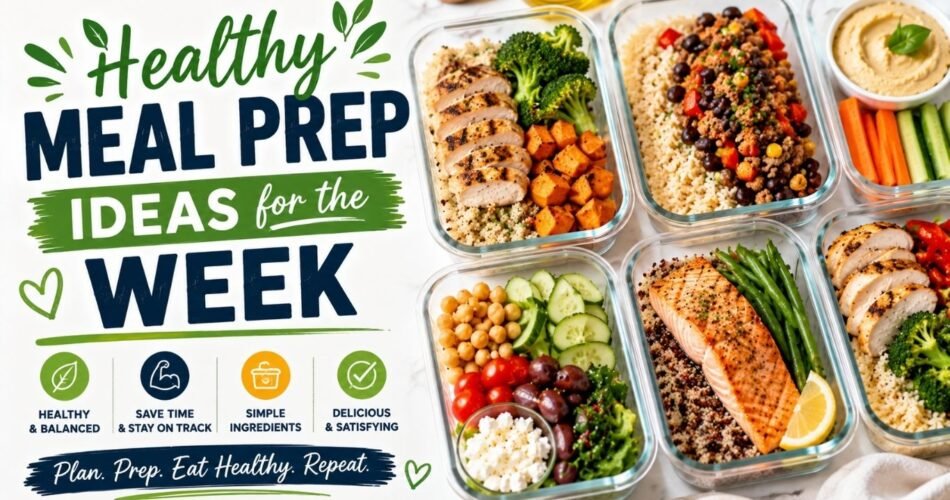
It was a Sunday evening, around 6 PM, and I was staring into my refrigerator like it might have answers. The week ahead looked relentless — early meetings, a school pickup situation, a few deadlines I’d been quietly avoiding. And dinner? Completely unplanned. Lunch? A mystery. Breakfast? Well, that usually figured itself out, but only barely.
I’d heard about meal prepping for years, obviously. But for the longest time I thought it was for people with color-coordinated kitchens and way too much free time. Then one exhausted Tuesday, eating sad desk crackers for lunch, I decided to actually try it. Not perfectly, not obsessively — just practically.
That was a couple of years ago. Since then, Sunday meal prep has become one of the most genuinely useful habits in my week. Not because I follow some rigid system, but because I’ve learned what actually works for real life — which, spoiler alert, involves a lot of flexibility, some strategic shortcuts, and a willingness to eat roasted vegetables in at least three different ways.
Here’s everything I’ve learned, laid out in a way that’s actually useful rather than aspirational.
Why Meal Prep Is Worth the Sunday Effort
Let’s be honest about why most people resist meal prepping: it sounds like more work, not less. You’re already tired. The idea of spending a few hours cooking on your day off feels backwards.
But here’s the trade-off nobody really explains clearly: you’re not doing more cooking. You’re relocating the effort to a time when you’re not also starving, rushing, and making impulsive decisions. When you meal prep on Sunday, you eliminate about 10–15 individual micro-decisions throughout the week — what to eat, whether to cook it, if you have the ingredients, how long it’ll take. Those micro-decisions are exhausting, and they’re the exact moments when a drive-through starts sounding reasonable.
Beyond the mental load: meal prepping genuinely saves money. When you know exactly what you’re eating, you buy exactly what you need. You stop throwing out wilted vegetables and half-used cans. Groceries become intentional rather than chaotic. If you’re trying to eat healthier on a tighter budget, budget-friendly healthy meals for families offer a great starting point for planning meals that stretch without sacrificing nutrition.
And the health piece is real, too. When there’s already a portioned, balanced meal waiting in the fridge, you eat that. When there isn’t, you improvise — and improvised meals at 7 PM after a hard day rarely look like grilled salmon and quinoa.
Before You Cook: Planning Without the Stress
The biggest mistake I made early on was skipping the planning step and just batch-cooking random things I liked. Ended up with five containers of chickpeas and no clear idea what to do with them by Wednesday.
Planning a week of meals doesn’t need to be complicated, but it does need to be intentional. Here’s a simple approach that works:
Think in themes, not recipes. Monday feels like a grain bowl situation. Wednesday something warming, like soup. Friday is usually flexible because motivation dips. When you assign loose themes instead of specific recipes, you get variety without over-committing.
Pick 2–3 proteins, 2–3 grains, and 3–4 vegetables. That’s your base. From those, you can build at least five or six different meals just by combining them differently. It sounds like cheating, but it’s actually smart cooking.
Shop the week before you plan, not the other way around. Check what’s already in your fridge and pantry. Build the plan around those items first, then fill in gaps with a grocery list. This alone cuts food waste dramatically.
The Prep Session Itself: Batch Cooking Without Burning Out
Sunday (or whenever your prep day falls) works best when you think of it like running a small kitchen production line rather than cooking multiple full recipes from scratch.
Start with what takes longest: grains and proteins. Get rice, quinoa, or farro going first — they’re almost completely hands-off once they’re on the stove. While that’s cooking, preheat your oven and get your roasting situation ready. Toss your vegetables with olive oil, salt, and whatever spice blend you’re feeling (smoked paprika and garlic powder is a reliable default), spread them on sheet pans, and let the oven do its thing.
While the oven runs and the grains simmer, you can prep your proteins — marinate chicken, hard-boil eggs, or cook a batch of ground turkey on the stovetop. By the time the grains and vegetables are done, your protein is ready too. Total active time? Maybe 30–40 minutes. Passive time while things cook? Another 30–40 minutes of freedom.
This method — parallel cooking rather than sequential — is the actual secret to meal prep that doesn’t consume your whole day.
Meal Prep Ideas That Actually Work (And Don’t Get Boring)
Sheet Pan Chicken Thighs with Roasted Vegetables
Bone-in, skin-on chicken thighs are genuinely one of the best meal prep proteins. They’re cheaper than breasts, more forgiving when reheated, and they actually stay juicy after a few days in the fridge. Season with garlic, lemon zest, dried oregano, salt, and a splash of olive oil. Roast at 425°F alongside whatever vegetables need using — bell peppers, zucchini, red onion, cherry tomatoes. One pan, minimal cleanup, and four solid servings of protein ready to pair with grains or greens throughout the week.
Variation: swap the oregano-lemon combo for a harissa rub and pair with couscous later in the week for a completely different flavor profile using the same base technique.
Big-Batch Quinoa and Lentil Bowls
Quinoa and cooked green lentils together make a protein-packed base that keeps well for five days without turning mushy — which is more than rice can usually say. Cook them separately (quinoa is fussy about absorbing other flavors during cooking), then combine with fresh herbs, lemon juice, and a pinch of cumin once cooled.
Throughout the week, these bowls can go in completely different directions depending on what you add: roasted sweet potato and tahini dressing on Monday, sliced cucumber and feta with olives on Wednesday, or warmed with a fried egg and hot sauce on Friday morning when you need something fast. The base stays the same. The meal never feels like it does.
Slow Cooker Black Bean Soup
There’s something deeply useful about a soup that basically makes itself. Throw black beans (canned or pre-soaked dried), diced tomatoes, onion, garlic, chicken or vegetable broth, cumin, chili powder, and a pinch of smoked paprika into a slow cooker on Sunday morning. By afternoon, you have a thick, deeply flavored soup that serves six and freezes beautifully.
The flexibility here is significant. Eat it as soup. Blend half of it for a thicker texture. Use it as a burrito filling. Spoon it over rice with sliced avocado. One batch of soup becomes practically four different meals depending on how you serve it, which is exactly the kind of variety that keeps meal prep from feeling tedious.
For more high-protein, low-effort dinner ideas that can also pull double duty as meal prep staples, low-carb dinner recipes for busy people has some genuinely practical options worth exploring.
Overnight Oats (Multiple Flavors at Once)
Breakfast prep gets overlooked in favor of lunch and dinner planning, but it matters just as much — maybe more, since mornings are often the most chaotic part of the day.
Set up four or five mason jars on Sunday evening with rolled oats, chia seeds, and your liquid of choice (milk, oat milk, coconut milk all work). Then individualize each one: one with sliced banana and peanut butter, one with frozen mixed berries and honey, one with shredded apple and cinnamon, one with cocoa powder and almond butter. Different flavor every morning, same effort level for prep. Done in ten minutes, ready in the fridge for the week.
Mason Jar Salads
The reason salads fail as meal prep is usually soggy lettuce, which is a storage problem, not a concept problem. The fix is straightforward: layer your jar with dressing on the bottom, then hard vegetables (carrots, cucumbers, chickpeas), then grains or protein, then lighter greens on top. When you shake it before eating, everything combines without the greens ever touching the dressing until that moment.
Build a few of these on Sunday with different grain and protein combinations — one with farro and roasted beets, another with shredded chicken and avocado — and you have genuinely satisfying lunches that take zero effort to grab.
Storage, Freshness, and the Mistakes Worth Avoiding
A few things I learned the hard way:
Not everything stores the same way. Grains last up to five days. Cooked proteins are best within three to four days. Leafy greens prep badly if dressed too early. Keep dressings, sauces, and toppings separate from their bases until you’re eating them.
Glass containers over plastic for anything you’re reheating. Food just tastes better, reheats more evenly, and you’re not dealing with staining or warping. The upfront cost is worth it.
Label things with dates. This sounds fussy, but when Thursday rolls around and you can’t remember if you cooked that chicken on Sunday or Wednesday, you’ll wish you had. A piece of tape and a marker takes five seconds.
Freeze what you won’t eat by Wednesday. Soup and grain dishes freeze remarkably well. Build freezing into the plan rather than treating it as a last resort — it gives you a built-in emergency meal for weeks when prep doesn’t happen at all.
Seasoning matters more for reheated food. Flavors dull slightly as food sits, so prep with slightly bolder seasoning than you think is right. A squeeze of fresh lemon juice when reheating can wake up almost anything.
Keeping It Interesting Week After Week
The reason most people abandon meal prepping isn’t lack of discipline — it’s boredom. Eating the same three things every day by Wednesday kills enthusiasm fast.
The solution isn’t cooking more variety on Sunday (that’s more work). It’s using the same prepped ingredients creatively. Think of your prepped components as building blocks rather than finished dishes. Roasted vegetables become a grain bowl topping, a pasta mix-in, a frittata base, or a flatbread topping. Cooked chicken gets shredded into tacos, sliced into salads, or stirred into soup. The prep is the same; the meal is different.
Rotate your flavor profiles week to week too. One week goes Mediterranean — lemon, herbs, feta, olives. The next week leans into smoky, warming spices — cumin, harissa, turmeric. Small shifts in seasoning change the entire character of your week’s meals without requiring different ingredients or techniques.
One Last Honest Note
Meal prep doesn’t have to be perfect to be useful. Some weeks you get through everything beautifully. Other weeks you prep on Sunday and somehow end up ordering pizza on Thursday anyway. That’s fine. The container of lentils in the fridge becomes Friday’s lunch and all is not lost.
The goal isn’t a flawlessly executed meal plan. It’s having something ready most of the time, making good choices easier than bad ones, and spending less mental energy on food throughout the week. Once that starts happening consistently, you realize how much headspace it actually frees up — which, honestly, might be the best return on a Sunday afternoon investment you can find.