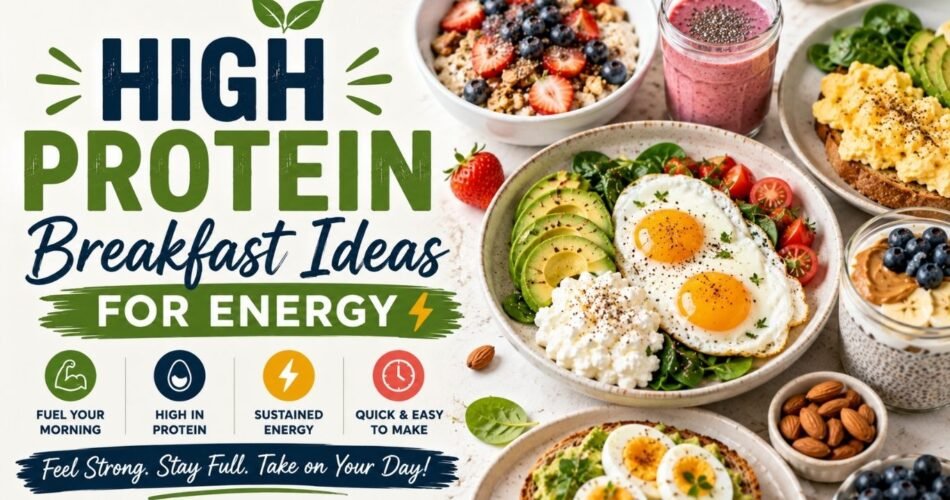
High Protein Breakfast I used to be the person who grabbed a muffin and coffee on the way out the door, wondering why I’d crash by 10 a.m. and find myself face-first in the office snack drawer. The cycle was exhausting—literally. Then I started paying attention to what I was actually eating in the morning, and it hit me: my breakfasts had almost no protein.
That shift to prioritizing protein in the morning changed everything. Not just my energy levels, but my focus, my mood, and even how hungry I felt throughout the day. I’m not talking about complicated meal prep or eating bland chicken breast at 7 a.m. (hard pass). I’m talking about realistic, delicious breakfasts that happen to be packed with protein and actually keep you going.
Let’s talk about why this matters and how to make it work in real life.
Why Protein Actually Changes Your Morning
Here’s the thing about protein: it’s the most satiating macronutrient. When you start your day with adequate protein—around 20-30 grams is a good target—your blood sugar stays steadier, you feel fuller longer, and your brain gets the amino acids it needs to produce neurotransmitters like dopamine and serotonin.
Contrast that with a breakfast of just carbs (even “healthy” ones like a banana or toast), and you’re looking at a quick energy spike followed by a crash. Your body digests simple carbohydrates rapidly, your blood sugar shoots up, insulin rushes in to manage it, and then you’re left hungry and foggy within an hour or two.
Protein slows down digestion, which means sustained energy release. When you pair it with fiber from whole grains or vegetables and healthy fats from sources like nuts or avocado, you’ve built yourself a breakfast that works with your body’s energy systems instead of against them.
The Balance Formula That Actually Works
A truly energizing breakfast isn’t just about protein—it’s about balance. Think of it as a three-legged stool: protein, fiber, and healthy fats. Remove one leg, and the whole thing tips over.
Protein provides the building blocks and satiety. Fiber slows digestion even further and feeds your gut bacteria (which, surprisingly, influences your energy and mood). Healthy fats help you absorb fat-soluble vitamins and provide long-burning fuel.
The practical breakdown? Aim for 20-30g protein, at least 5g fiber, and a serving of healthy fats. That might look like Greek yogurt (protein) with berries and granola (fiber) topped with almond butter (healthy fat). Or eggs (protein) with whole grain toast (fiber) and avocado (healthy fat).
Once you understand this framework, building energizing breakfasts becomes intuitive rather than confusing.
Where People Go Wrong (And How to Fix It)
Mistake #1: The “Healthy” Sugar Bomb
Smoothies, açai bowls, and granola parfaits sound virtuous, but many versions are basically dessert. Fruit-only smoothies or yogurt bowls with honey-drenched granola might give you a quick buzz, but they won’t sustain you.
The fix: Add protein powder to smoothies, choose plain Greek yogurt over flavored varieties, and watch portion sizes on sweeteners. A little maple syrup or honey is fine when balanced with protein and fat.
Mistake #2: Too Little Protein
One egg or a tablespoon of peanut butter doesn’t cut it. You’re looking at 6-8 grams of protein tops, which isn’t enough to make a metabolic difference.
The fix: Two or three eggs, a full cup of Greek yogurt, a generous scoop of protein powder, or a substantial portion of cottage cheese. Don’t be shy with protein portions at breakfast.
Mistake #3: No Planning
Winging it on busy mornings almost always means defaulting to whatever’s fastest, which is rarely what’s most nourishing.
The fix: Keep high-protein staples ready to go. Hard-boiled eggs in the fridge, pre-portioned protein powder, prepped overnight oats, or even just knowing exactly what you’ll make takes the decision fatigue out of mornings.
Real Breakfast Ideas That Deliver
The Power Scramble
This is my go-to when I have an extra ten minutes. Scramble 2-3 eggs with whatever vegetables I have (spinach, tomatoes, peppers, mushrooms), add some cheese if you’re into that, and serve it with a slice of whole grain toast and half an avocado. The eggs give you about 18 grams of protein right there, the vegetables add fiber and micronutrients, and the avocado brings healthy fats and creaminess.
Want to level it up? Add black beans for extra protein and fiber, or leftover roasted sweet potato. Sometimes I’ll throw in crumbled turkey sausage or smoked salmon for variety.
Meal prep version: Whip up a big batch of egg muffins on Sunday. Beat eggs with milk, add chopped vegetables and cheese, pour into a muffin tin, and bake at 350°F for about 20 minutes. Grab two or three on your way out the door throughout the week. They reheat beautifully.
Greek Yogurt Power Bowl
Not all yogurt is created equal. Regular yogurt has about 5-8 grams of protein per cup. Greek yogurt? 15-20 grams. That difference matters.
Start with a cup of plain Greek yogurt (I promise once you get used to it, the flavored stuff tastes overwhelmingly sweet). Top it with a handful of berries, a sprinkle of nuts or seeds, and maybe a small drizzle of honey or maple syrup. If you want more substance, add some low-sugar granola or a tablespoon of nut butter.
This combination hits all three targets: protein from the yogurt, fiber from the berries and any whole grain additions, and healthy fats from nuts. Plus, it takes about two minutes to assemble.
Plant-based swap: Use soy yogurt or coconut yogurt with added protein powder stirred in. Not all dairy-free yogurts are protein-rich, so check labels.
If you’re looking for more bowl inspiration, I’ve got a whole post on healthy breakfast bowls for weight loss that expands on this concept with different flavor combinations.
Protein-Packed Smoothie (Done Right)
Smoothies get a bad rap because they’re often done poorly, but a well-constructed smoothie is genuinely energizing and portable.
Here’s my formula: 1 cup liquid (milk, almond milk, oat milk), 1 scoop protein powder (about 20-25g protein), 1 cup frozen fruit, 1 handful spinach or kale, 1 tablespoon nut butter or a quarter avocado, and ice if needed.
Blend it all up, and you’ve got a balanced breakfast you can drink in the car or at your desk. The protein powder is non-negotiable here—without it, you’re just drinking fruit juice with extra steps.
Budget-friendly tip: Buy frozen fruit instead of fresh (it’s cheaper and already prepped), use regular milk instead of fancy nut milks, and look for store-brand protein powder.
Cottage Cheese Toast Revolution
If you haven’t tried cottage cheese on toast yet, you’re missing out. I know it sounds strange if you’re used to thinking of cottage cheese as a diet food eaten plain from a tub, but trust me on this.
Toast a slice of hearty whole grain bread. Spread on half a cup of cottage cheese (around 14 grams of protein). Top with sliced tomatoes and everything bagel seasoning, or go sweet with mashed berries and a drizzle of honey, or try sliced cucumber and smoked salmon.
It’s creamy, satisfying, high in protein, and feels a little fancy for something so simple.
Dairy-free alternative: Mashed white beans with nutritional yeast create a similar creamy texture with good protein content.
The Five-Minute Breakfast Burrito
When I’m truly rushed but don’t want to sacrifice nutrition, I make what I call a “power burrito.” Scramble two eggs in a pan (takes 2 minutes), warm a whole wheat tortilla, add the eggs, a handful of shredded cheese, some salsa, and if I have it, black beans or leftover chicken.
Roll it up, and you can eat it with one hand while you’re getting ready. The whole wheat tortilla adds fiber, eggs and cheese deliver protein, and if you’ve included beans, you’re getting even more of both.
Make-ahead version: Assemble several burritos at once, wrap them in foil, and freeze. Microwave for 90 seconds when you need one. Game-changer for truly hectic mornings.
You’ll find more ideas like this in my quick breakfast ideas for busy mornings post.
Smart Swaps for Different Needs
Going plant-based?
Focus on tofu scrambles (firm tofu has about 10g protein per half cup), tempeh, edamame, hemp seeds (10g per 3 tablespoons), and quality protein powders from pea, rice, or hemp. Combine different plant proteins throughout the day for complete amino acid profiles.
Watching your budget?
Eggs are still one of the cheapest protein sources. Canned beans are ridiculously affordable and shelf-stable. Plain Greek yogurt in large tubs costs less per serving than individual cups. Peanut butter beats almond butter on price while delivering similar nutrition.
Dealing with food sensitivities?
Lactose intolerant? Try lactose-free Greek yogurt or focus on eggs and meat proteins. Egg allergy? Lean into Greek yogurt, cottage cheese, or tofu. Nut allergies? Use seeds like sunflower or pumpkin instead.
Quick Prep Strategies for Actual Busy People
The secret to consistent high-protein breakfasts isn’t willpower—it’s systems.
Keep it stocked: Always have eggs, Greek yogurt, and some form of protein powder on hand. These three ingredients can create a dozen different breakfasts.
Prep proteins ahead: Hard-boil a dozen eggs on Sunday. Cook a batch of turkey sausage. Portion out protein powder into individual servings.
Use your freezer: Egg muffins, breakfast burritos, and even cooked scrambled eggs freeze well. Make double batches and freeze half.
Create a breakfast station: Designate one shelf in your fridge and one cabinet section for breakfast stuff only. Everything you need is in one place, which cuts down decision time.
Making It Stick
The best breakfast is the one you’ll actually eat. If you hate eggs, don’t force yourself to become an egg person. If you love sweet breakfasts, find ways to add protein to those rather than switching entirely to savory options.
Start with one or two high-protein breakfast options you genuinely like, and rotate those until they become habit. Then add variety as you get comfortable.
And remember, perfection isn’t the goal—consistency is. A decent high-protein breakfast eaten regularly beats the “perfect” breakfast that only happens twice a month because it’s too complicated.
Since making protein a priority in my mornings, I’ve noticed I’m sharper in morning meetings, I don’t experience that desperate hunger before lunch, and I have steadier energy throughout the day. It’s not magic—it’s just giving your body the fuel it actually needs to function well.
Your mornings deserve better than energy crashes and constant hunger. These breakfasts are how you get there.