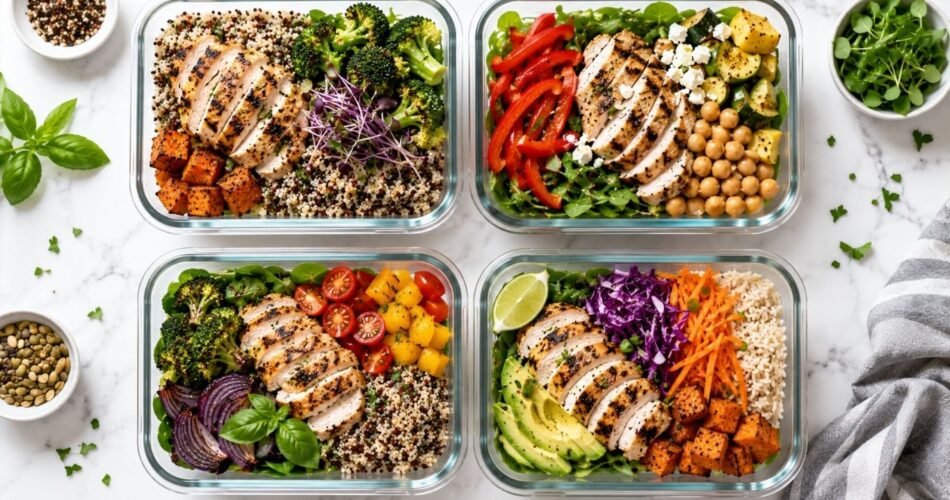
I’ll be honest for Healthy Lunch Bowl — Sunday evenings used to stress me out. Not because the weekend was ending, but because I knew I’d face that daily 11:30 a.m. panic: What am I eating for lunch? Inevitably, I’d either skip it, grab something overpriced and underwhelming, or cobble together random snacks that left me starving by 3 p.m.
Then I discovered the magic of meal prep lunch bowls, and it genuinely changed how I approach weekday eating. Not in a dramatic, life-altering way—just in a “wow, this actually makes my life easier” kind of way. I’m not spending money on mediocre takeout, I’m eating actual vegetables, and I’m not making food decisions when I’m already hungry (which never ends well).
The beauty of lunch bowls isn’t just convenience. It’s the flexibility. You’re not locked into eating the same thing five days straight. With a few prepped components, you can mix and match throughout the week, keeping things interesting without cooking from scratch every single day.
Why Healthy Lunch Bowl Actually Work for Meal Prep
Unlike sandwiches that get soggy or salads that wilt by Tuesday, bowl-based meals hold up remarkably well when you understand a few basic principles. The components stay separate until you’re ready to eat, which means textures remain intact. Grains don’t get mushy. Proteins stay flavorful. Vegetables maintain their crunch.
There’s also something satisfying about the “parts and whole” approach. You’re essentially creating your own modular lunch system. Cook three proteins, four carb bases, and roast a bunch of vegetables on Sunday, and you’ve got endless combinations for the week. It removes decision fatigue while still giving you variety.
And honestly? Bowls are just easier to eat at your desk, in your car, or wherever life takes you at lunchtime. No structural integrity issues like with wraps or sandwiches. Everything just… works.
Building a Balanced Bowl That Actually Keeps You Full
Here’s where a lot of people go wrong: they build bowls that look pretty but don’t provide lasting energy. You eat, you feel satisfied for about an hour, then you’re raiding the office snack drawer.
A properly built lunch bowl needs three core components working together:
Protein is your staying power. Aim for 20-30 grams per bowl. This could be grilled chicken thighs (more flavorful and less dry than breasts), baked tofu, hard-boiled eggs, chickpeas, ground turkey, salmon, or even leftover steak. I usually prep 2-3 protein options each week so I don’t get bored.
Complex carbohydrates provide sustained energy without the crash. Think quinoa, brown rice, farro, sweet potatoes, or regular potatoes (yes, they’re actually nutritious). Some weeks I’ll do cauliflower rice if I’m feeling lower-carb, but honestly, I function better with real grains. Your mileage may vary.
Healthy fats make everything taste better and help you absorb nutrients. Avocado is the obvious choice, but also consider tahini drizzle, nuts, seeds, olives, or a good quality olive oil in your dressing. Don’t skip this component—it’s what makes bowls satisfying rather than just “healthy.”
Then layer in your vegetables (both raw and cooked for textural contrast), plus a flavorful sauce or dressing. The sauce is non-negotiable. It’s the difference between “eating because I should” and “actually enjoying my lunch.”
If you’re looking for more variety in your lunch routine, you might also enjoy these quick and easy lunch recipes that complement a meal prep approach.
Four Bowl Formulas I Rotate Weekly
Instead of giving you rigid recipes, here are the combinations I actually make, with enough detail that you can recreate them but enough flexibility that you can adapt based on what you have.
Mediterranean-ish Bowl
I call it “ish” because I’m not claiming authenticity—just deliciousness. The base is usually quinoa or farro, topped with roasted chickpeas (tossed with olive oil, cumin, and paprika before roasting at 400°F until crispy—about 25 minutes). I add chopped cucumber, cherry tomatoes, red onion, Kalamata olives, and crumbled feta.
The key here is the dressing: lemon juice, olive oil, minced garlic, dried oregano, salt, and pepper. I make a big jar on Sunday and it lasts all week. Sometimes I’ll add roasted red peppers if I find good jarred ones, or I’ll throw in some grilled chicken if I need extra protein.
This bowl tastes better cold, which is rare. The flavors meld together beautifully in the fridge.
Asian-Inspired Bowl with Serious Flavor
Brown rice or forbidden black rice as the base (black rice is nuttier and more interesting, but takes longer to cook). For protein, I do either baked teriyaki salmon, ground turkey with ginger and garlic, or crispy baked tofu.
Here’s my tofu method since it’s always a question: press it for 20 minutes, cut into cubes, toss with cornstarch, then bake at 425°F for about 30 minutes, flipping halfway. It gets legitimately crispy.
Vegetables: shredded purple cabbage, edamame, shredded carrots, and sliced bell peppers. Sometimes I’ll add a soft-boiled egg (jammy yolks are key). Top with sesame seeds and sliced green onions right before eating.
The dressing makes it: soy sauce or tamari, rice vinegar, sesame oil, fresh grated ginger, a touch of honey, and sriracha if you want heat. Whisk it together and keep it in a small jar.
Tex-Mex Bowl That’s Not Just a Burrito Deconstructed
Sure, it has similar components, but the preparation makes it different. The base is cilantro-lime rice (just cook rice with a little lime zest, then stir in lime juice and chopped cilantro after cooking—transforms it completely).
For protein, I usually do seasoned black beans (canned is fine—drain, rinse, then simmer with cumin, chili powder, and garlic) or ground turkey cooked with taco seasoning. Roasted sweet potatoes and bell peppers add bulk and sweetness.
Top with fresh stuff: diced avocado (add the morning of, not Sunday, or it browns), pico de gallo or fresh salsa, a little cheese if you want, and a dollop of Greek yogurt instead of sour cream.
The game-changer is pickled red onions. Slice an onion thin, pack it in a jar, cover with equal parts water and vinegar with a pinch of salt and sugar, and let it sit. They last for weeks and add incredible brightness to bowls.
For those focused on protein intake, these bowls pair well with the ideas in high-protein lunch ideas for additional inspiration.
Fall-Harvest Bowl (But Honestly Good Year-Round)
Roasted sweet potatoes and Brussels sprouts are the stars here, tossed with olive oil, salt, and pepper, roasted at 425°F until caramelized. The base is farro or wild rice—something with texture and chew.
Add some massaged kale (yes, actually massage it with a little olive oil and salt to break down the fibers—it makes it less bitter and easier to eat). For protein, I love chicken thighs here, or sometimes I’ll do white beans.
The dressing is maple-tahini: tahini, lemon juice, maple syrup, water to thin it out, salt, and pepper. It’s creamy, slightly sweet, and somehow makes everything taste cohesive. Top with pumpkin seeds or pecans for crunch.
This one feels cozy and substantial, perfect for when you want something comforting but still nutritious.
The Mistakes I Made (So You Don’t Have To)
Putting dressing on everything at once. Total rookie move. Everything gets soggy and sad. Keep dressings in small separate containers or jars. Add right before eating.
Not considering texture contrast. All soft ingredients make for a boring bowl. You need something crunchy—nuts, seeds, raw vegetables, crispy chickpeas, whatever. It makes a huge difference in eating enjoyment.
Underseasoning everything. Just because it’s healthy doesn’t mean it should taste like cardboard. Season your proteins well. Season your grains while cooking. Use herbs, spices, citrus, garlic. Food should taste good.
Prep burnout from trying to do too much. You don’t need to prep breakfast, lunch, dinner, and snacks for the entire week. Start with just lunches. Get comfortable with that before expanding.
Bad storage containers. This matters more than you think. Glass containers with good seals keep food fresher longer. They don’t stain, they reheat well, and you can see what’s inside. I like the ones with divided sections for keeping components separate.
Smart Swaps for Different Needs
For low-carb or keto: Replace grains with cauliflower rice, zucchini noodles, or extra greens. Increase the fat content with more avocado, nuts, cheese, or oil-based dressings.
For plant-based eating: Focus on complete protein combinations like rice and beans, or use tofu, tempeh, edamame, or quinoa (which is a complete protein). Nutritional yeast in dressings adds a cheesy flavor.
For dairy-free: Most of these bowls work without dairy anyway. Replace Greek yogurt with cashew cream, skip the cheese, or use dairy-free feta alternatives.
For gluten-free: All these bowls are naturally gluten-free or easily adapted. Just ensure soy sauce is tamari (gluten-free) and verify any packaged seasonings.
Making Meal Prep Actually Sustainable
Here’s my Sunday routine, which takes about 90 minutes start to finish:
I start with whatever takes longest—usually roasting vegetables and cooking grains. While those are going, I prep proteins. Oven-based proteins (baked chicken, salmon, tofu) are easiest because they cook themselves while you do other things.
I’ll hard-boil a batch of eggs, chop raw vegetables, and make 2-3 dressings. Everything goes into separate containers—not assembled bowls. This is important. When components are separate, they last longer and you have more flexibility.
Tuesday or Wednesday, I’ll do a quick mid-week refresh. Maybe cook one more protein or roast another batch of vegetables. This prevents burnout and keeps things interesting.
Label containers with dates if you’re prepping for anyone besides yourself, or if you’re doing multiple weeks’ worth. I don’t usually bother because I know what’s what, but it can be helpful.
Keeping Things Fresh Literally and Figuratively
Storage tips that actually matter:
Grains last 4-5 days. If you’re prepping for a full week, consider cooking a second smaller batch mid-week.
Proteins are good for 3-4 days. After that, freeze them if you’ve made too much.
Delicate vegetables like avocado, fresh tomatoes, or soft herbs should be added fresh the day you eat. Hardier vegetables (roasted or raw crunchy ones) last the full week.
Greens stay crispest with a paper towel in the container to absorb excess moisture.
For keeping bowls interesting:
Change one element weekly. Same base formula, different protein or vegetable mix.
Invest in good hot sauce, various vinegars, different nuts and seeds, and diverse spice blends. Small changes create big flavor shifts.
Occasionally buy a prepared component. A rotisserie chicken, pre-cooked grains from Trader Joe’s, or a really good jarred sauce isn’t cheating—it’s being realistic about your time and energy.
The goal isn’t perfection. It’s not even Instagram-worthy photos every time (though these bowls do photograph well, which is a nice bonus). The goal is simply having good food ready when you need it, without the stress, expense, or decision fatigue that comes with figuring out lunch on the fly.
Some weeks you’ll nail it—five beautiful bowls lined up, perfectly balanced and delicious. Other weeks you’ll throw together whatever’s in the fridge and call it good. Both are fine. The habit matters more than the execution.
Start with one or two bowls this week. See how it feels. Adjust based on your preferences, your schedule, and what actually sounds good to you. Meal prep should make your life easier, not become another source of pressure.
And if nothing else, you’ll stop spending $15 on mediocre salads that are mostly lettuce. That alone is worth it.