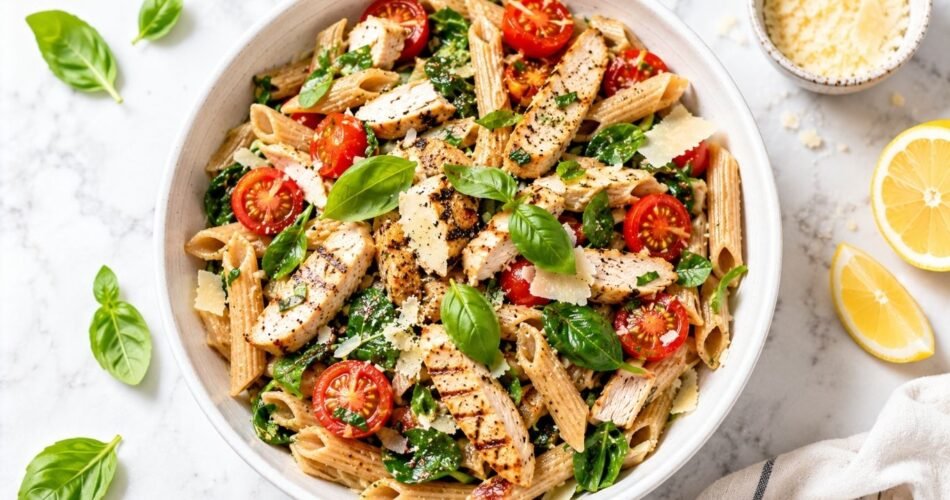
Look, I’m going to be honest with you. For the longest time, I thought “healthy pasta” was an oxymoron, something reserved for people who enjoyed eating cardboard with marinara. Then I realized I was doing it all wrong. Pasta can absolutely be part of a balanced, energizing lunch—you just need to rethink how you build the dish.
The problem isn’t pasta itself. It’s the massive portions, the cream-heavy sauces, and the fact that we often treat it like a carb delivery system instead of a base for vegetables and protein. When you shift your approach, pasta becomes one of the fastest, most satisfying healthy lunches you can make, especially when you’re racing against the clock on a Tuesday afternoon.
The Foundation: Smarter Pasta Choices
Before we even talk about recipes, let’s address the pasta itself. I keep three types in my pantry: whole wheat, chickpea pasta, and regular bronze-cut pasta. Yes, regular pasta. Because sometimes you want the real thing, and that’s completely fine when you balance it properly.
Whole wheat pasta gives you extra fiber and keeps you fuller longer without that 3 PM slump. Chickpea or lentil pasta brings protein right into the noodles themselves—usually around 14 grams per serving. If you’re gluten-free, brown rice pasta holds up surprisingly well and doesn’t turn mushy if you time it right.
The key with any of these? Don’t overcook. Al dente isn’t just an Italian preference; it actually lowers the glycemic index of pasta, meaning more sustained energy and less blood sugar spike. Set your timer for two minutes less than the package says, then taste. You want a slight firmness in the center.
The 20-Minute Reality Check
Here’s the thing about cooking pasta in 20 minutes: you need to work smart, not just fast. I start boiling water the second I walk into the kitchen—covered pot, high heat, with a lid to speed things up. While that’s happening, I prep everything else. Pasta typically takes 8-11 minutes to cook, which gives you at least 9 minutes for prep and another 3-5 for assembly.
One game-changing trick: use a large skillet instead of a pot sometimes. You can cook pasta in much less water (just enough to cover it), and it comes to a boil faster. The starchy water that remains becomes a built-in sauce thickener. This works brilliantly for one-pan pasta dishes.
Recipe Idea #1: Lemon-Garlic Shrimp Pasta with Arugula
This is my go-to when I want something that feels fancy but takes zero effort. Cook your pasta (I use whole wheat spaghetti here). While it’s going, heat olive oil in a skillet, throw in minced garlic for maybe 30 seconds, then add pre-peeled shrimp. They take about 3 minutes total.
Here’s where people mess up: they add the arugula too early and it turns into wilted sadness. Instead, drain your pasta (save some pasta water), toss it in the skillet with the shrimp, add a massive handful of fresh arugula, lemon juice, lemon zest, red pepper flakes, and a splash of that starchy pasta water. The arugula barely wilts, staying bright and peppery. The whole thing takes 15 minutes, gives you lean protein, greens, and actually tastes like something you’d order at a restaurant.
For meal prep, keep the arugula separate and add it fresh when you reheat. The pasta and shrimp keep well together for 3 days in the fridge.
Building Balanced Bowls Without Overthinking
The formula I follow is stupid simple: half the bowl is vegetables, a quarter is pasta, and a quarter is protein. This isn’t about restriction—it’s about getting full on nutrients instead of just carbs. You’ll actually feel satisfied instead of bloated.
Quick proteins that work: rotisserie chicken (shred it while the pasta cooks), canned white beans (rinse and toss in), frozen pre-cooked shrimp, canned tuna, or soft-boiled eggs (which you can make ahead). If you’re vegetarian, chickpeas, white beans, or edamame are your friends. I always keep a bag of frozen edamame because they cook in 3 minutes in the pasta water during the last few minutes of cooking.
For vegetables, frozen is not cheating. Frozen peas, spinach, and broccoli florets can go straight into the pasta water for the last 2-3 minutes. Fresh cherry tomatoes just need a quick sauté to blister. Pre-washed baby spinach wilts in seconds from residual heat. Zucchini cooks in about 4 minutes if you cut it into thin half-moons.
Mediterranean Pasta That Comes Together Instantly
Sometimes I don’t even turn on the stove except to boil pasta. While penne or fusilli cooks, I combine halved cherry tomatoes, diced cucumber, kalamata olives, crumbled feta, chickpeas from a can, chopped fresh basil, lemon juice, and good olive oil in my serving bowl. When the pasta’s done, I drain it, let it cool for literally one minute (you don’t want to wilt the cucumber), then toss everything together.
This works hot or cold, which makes it perfect for meal prep. The flavors actually improve after a few hours in the fridge. If you want it more substantial, add grilled chicken or canned tuna. The combination of chickpeas and feta gives you enough protein to keep you going without feeling heavy.
The Sauce Situation
Heavy cream sauces are delicious but they’re also why pasta gets a bad rap for lunch. You don’t need cream to make something taste rich and satisfying.
My favorite light sauce base is pasta water, olive oil, garlic, and lemon. It sounds too simple to be good, but that starchy pasta water emulsifies with the oil to create a silky coating. Add fresh or dried herbs, red pepper flakes, maybe some parmesan, and you’ve got a sauce in 2 minutes.
Another option: blitz canned white beans with garlic, lemon juice, and a bit of pasta water in a blender. It creates this creamy, protein-rich sauce that coats pasta beautifully without any dairy. Toss in roasted red peppers from a jar and you’ve got something special.
For tomato-based situations, I skip the long-simmered Sunday sauce and use canned San Marzano tomatoes that I crush with my hands, simmer for 8 minutes with garlic and olive oil, and season aggressively with salt, pepper, and fresh basil. Sometimes the best sauce is the simplest one.
One-Pan Wonder: Pasta Primavera Style
Here’s where that shallow-water method shines. Put your pasta in a large skillet, cover it with water or broth by about an inch, add thinly sliced bell peppers, snap peas, and asparagus pieces. Bring it to a boil and cook, stirring occasionally.
Everything cooks together in about 10-12 minutes. The vegetables soften, the pasta absorbs the liquid, and you’re left with this naturally saucy, veggie-packed situation. At the end, stir in a handful of parmesan and a knob of butter or good olive oil. The whole pan is your serving dish. One pan to wash, vegetables already incorporated, and it genuinely takes 15 minutes from start to finish.
The vegetable options are endless here. Zucchini ribbons, cherry tomatoes, baby spinach, thinly sliced carrots—anything that cooks relatively quickly works. Just cut everything roughly the same size so it cooks evenly.
Common Mistakes I See (and Made Myself)
Using too much pasta. A serving is actually 2 ounces dry, which feels tiny when you measure it but becomes about a cup cooked. If you’re adding plenty of vegetables and protein, this is genuinely enough.
Not salting the pasta water enough. It should taste like the sea. This is your only chance to season the pasta itself from the inside out.
Rinsing the pasta. Unless you’re making a cold pasta salad, don’t rinse. That starchy coating helps sauce cling and adds body to light sauces.
Making the sauce too complicated. On a time crunch, simple is better. Garlic, olive oil, lemon, and fresh herbs beats a mediocre attempt at something fancier.
Forgetting acid. A squeeze of lemon or splash of good vinegar at the end brightens everything and makes healthy ingredients taste more interesting.
Quick Assembly: Pantry Pasta with Tuna and Capers
This is what I make when I haven’t grocery shopped and need lunch in 12 minutes. Cook pasta. Drain, keeping some pasta water. In the same pot, combine the pasta with canned tuna (the good stuff in olive oil, drained), capers, red pepper flakes, minced garlic (or garlic powder in a pinch), lemon juice, and enough pasta water to make it saucy. Toss in whatever fresh herbs you have or even just some chopped parsley.
It’s pantry-based, protein-rich, and tastes way better than it has any right to. If you have cherry tomatoes, halve some and throw them in. Olives? Sure. The base is tuna and pasta, but it adapts to whatever you’ve got.
Making It Work for Your Week
I cook pasta fresh most of the time because it only takes 10 minutes, but you can absolutely meal prep components. Cook and portion pasta for the week, keep it in the fridge with a drizzle of olive oil so it doesn’t stick. Prep your proteins and chop vegetables on Sunday. Then assembly takes 5 minutes when you’re actually ready to eat.
For reheating, add a splash of water or broth to the pasta before microwaving—it refreshes the texture. Or briefly sauté it in a pan with a bit of olive oil, which honestly makes it taste freshly made.
Cold pasta salads are obviously the most meal-prep friendly option. The Mediterranean version I mentioned earlier lasts 4 days easily. Just keep any leafy greens separate until serving.
Wrapping This Up
Healthy pasta lunches aren’t about deprivation or bland chicken and plain noodles. They’re about building balance, choosing ingredients that actually fuel you, and not overthinking it when you’re short on time. You can absolutely have a delicious, nutritious pasta lunch in under 20 minutes—you just need to think beyond traditional heavy preparations.
Start with better pasta choices when you can, load up on vegetables using the quickest methods possible, add a lean protein, and keep sauces light but flavorful. The recipes here are starting points, not rules. Swap the shrimp for chicken, use different vegetables based on what’s in your fridge, try different pasta shapes and varieties.
The best healthy lunch is one you’ll actually make and enjoy. If you’re craving more inspiration for quick midday meals, check out these quick and easy lunch recipes that go beyond pasta. And if you’re looking for a satisfying breakfast to start your day right before these healthy lunches, these fluffy pancakes hit the spot without weighing you down.
Now go boil some water and make yourself something good. You’ve got 20 minutes.